

When I scan through my memories, it doesn’t matter what age I am, I’m still seeing the same world out of the same eyes. It’s the same eyes and the same brain refusing to eat my vegemite sandwich as a four year old, the same eyes and the same brain as a 14 year old sitting in the church for the traumatic funeral of a dear friend, the same eyes and the same brain through sleepless nights with my babes, going through separation and divorce, and even walking through the streets of Italy and cruising the coast of Croatia. When I go into my memories, I know it’s the same me. I can feel the feelings that I felt as I went through each experience, even though each was felt by a different version of me.
This tells me two key things that have helped me with my midlife pivot, but that I do wish I had really understood to my core much earlier…
The first is that all of these versions within me are still a part of me today. Whilst I have stripped away the weight of the hard things associated with early trama, both big T and little t, life can still bring big T and little t triggers. For so long I have berated myself for the way that my behaviour changes in certain situations and around particular people, but this is actually completely normal! How many people say that they become a child again when back in their family of origin environment? And how do you explain those reactive and often unreasonable responses that you might have to a comment that someone makes or a situation you might find yourself in?
The important thing, and the approach that is going to help you control your responses, is to notice it rather than let it take over. You can’t control the way that things make you feel – you can only control the way that you respond to those feelings. After SO much work pulling apart and understanding my behaviours, and seeing how they connect to childhood and early adult experiences, these versions of me have become dear, treasured friends, and my initial reactions are just the protective strategies that my mind employed when the traumas or hurts first happened. Of course, those responses are not needed now that I am a grown-arsed woman who can nurture and take care of herself, and this adult version of me can notice. “Oh, look at you”, I say to myself, “there is that old desperate need for approval to ensure that you won’t be abandoned! It’s okay, you gorgeous little thing – I’ve got your back and will never leave you”, after which I can reassess the situation and pivot back into the adult version of myself.
Have a look at your life – go back through your memories, letting your mind visit different incarnations of you, and then look at those times where your actions or responses may have come from a place of not feeling in control – is it your child-self stepping in with those old protective measures? How old are you when those lapses in judgement take over? Have some compassion for yourself – see the old, wounded you, remind them that you’re at the wheel now and you’ll keep them safe, and then do the next right thing.
The second thing that stands out through those old memories is that what I believe, what I do and what I feel are not who I am. This is at complete odds with what I once thought was the case. I thought that a person’s actions and opinions were a clear indication of who they are as a person, but consider this…
Through each of your memories you held different understandings about the world. When I was 4 years old I thought that I was the ugliest child who ever walked the Earth – I used to look at my reflection in the mirror and cry my little heart out. When I was 24 I was intolerant of the heroin addicts that I saw on the street, believing that they got there by choice, and having no compassion for their plight. I was angry and judgemental and living from a place of fear.
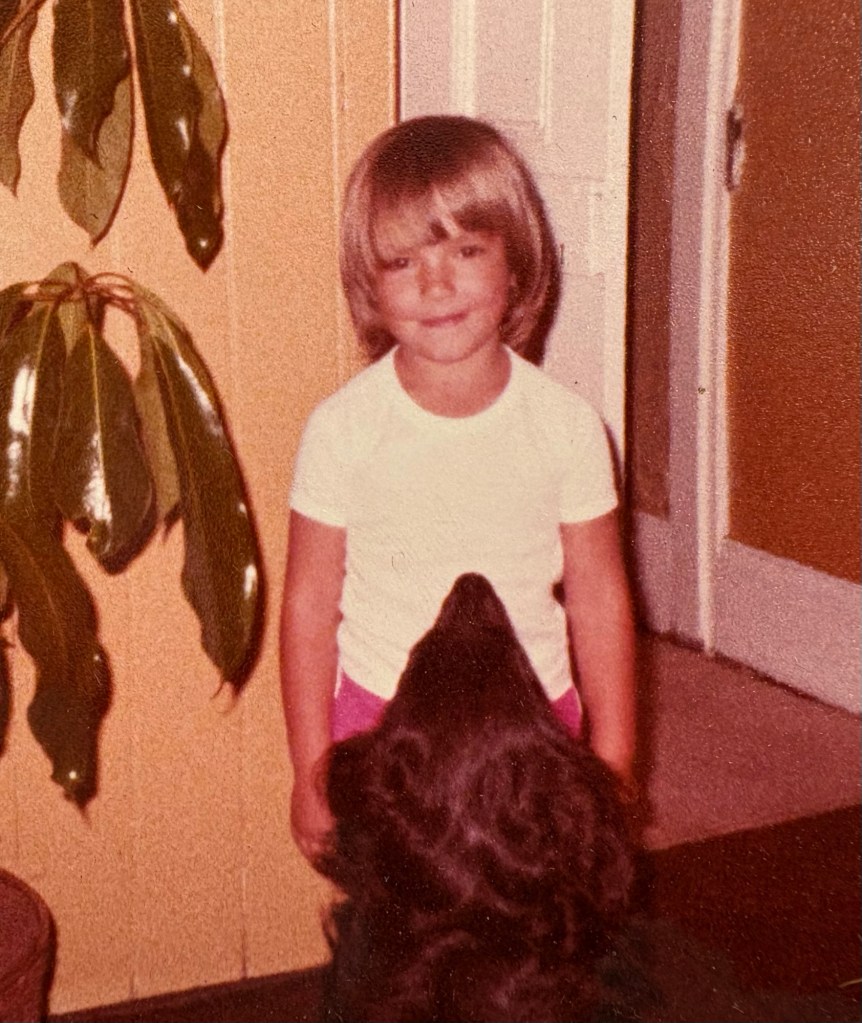
Now, obviously, I don’t believe any of those things. I understand that everyone is where they are because of the things that have happened on their individual life journey, but that what we see of anyone really is not who they are – that core self at the heart of every human being. Who we are is separate from our thoughts and actions. The real you – separate from those other things – can observe your own thinking, but, more importantly, as already explained, you can actually control it.
The you that you are observing is just the thing that we can call “ego”. I imagine this as a protective layer over our core being – the myelin sheath for our soul! It is often said that we are the sum of our learned experiences, but I think this is just a little bit off – our ego is the sum of our learned experiences, and its protective mechanisms guide our behaviours. It can be a simple thing – it is our champion, wanting us to be seen and acknowledged, to feel love and acceptance. It is important, and I don’t believe that we could survive without it. It is all of our incarnations rolled into one. It can be mysterious, and often gets in the way of us being in alignment with our core values, but your ego is not YOU – it’s just a weird wall that you might be hiding behind.
Nothing is simple. I have certainly not mastered either the observation of self or my responses to every situation, but I am making progress. There are things that can interfere – grief, exhaustion, a lack of boundaries – it’s hard to remain strong and in control of the self at all times. But we have to start somewhere!
These 2 things – understanding where your responses come from, and developing an awareness of your thoughts as separate from your self – are fundamental to any growth that might be ahead of you. Pay attention to the quality of your thoughts – are they lifting your vibration? Are they light and uplifting? Or are they berrating you? Do they feel heavy and judgemental? You might be a little more understanding of your responses if you acknowledge the hurt that led to them.
PLEASE be kind to yourself on your journey. Don’t expect miracles. Vivaldi didn’t write The Four Seasons before he understood basic musical scales, and this is your equivalent. Learn yourself, be patient with yourself, and one day, you will be writing the equivalent of full-scale symphonies.

 Hum of the Heart
Leave a comment